
Why Multi-Tasking CNC Machines Reduce Lead Time Across the Entire Route
Multi-tasking machines cut queue time, handling, setup count, and inter-operation risk by consolidating turning and milling into one controlled process flow.
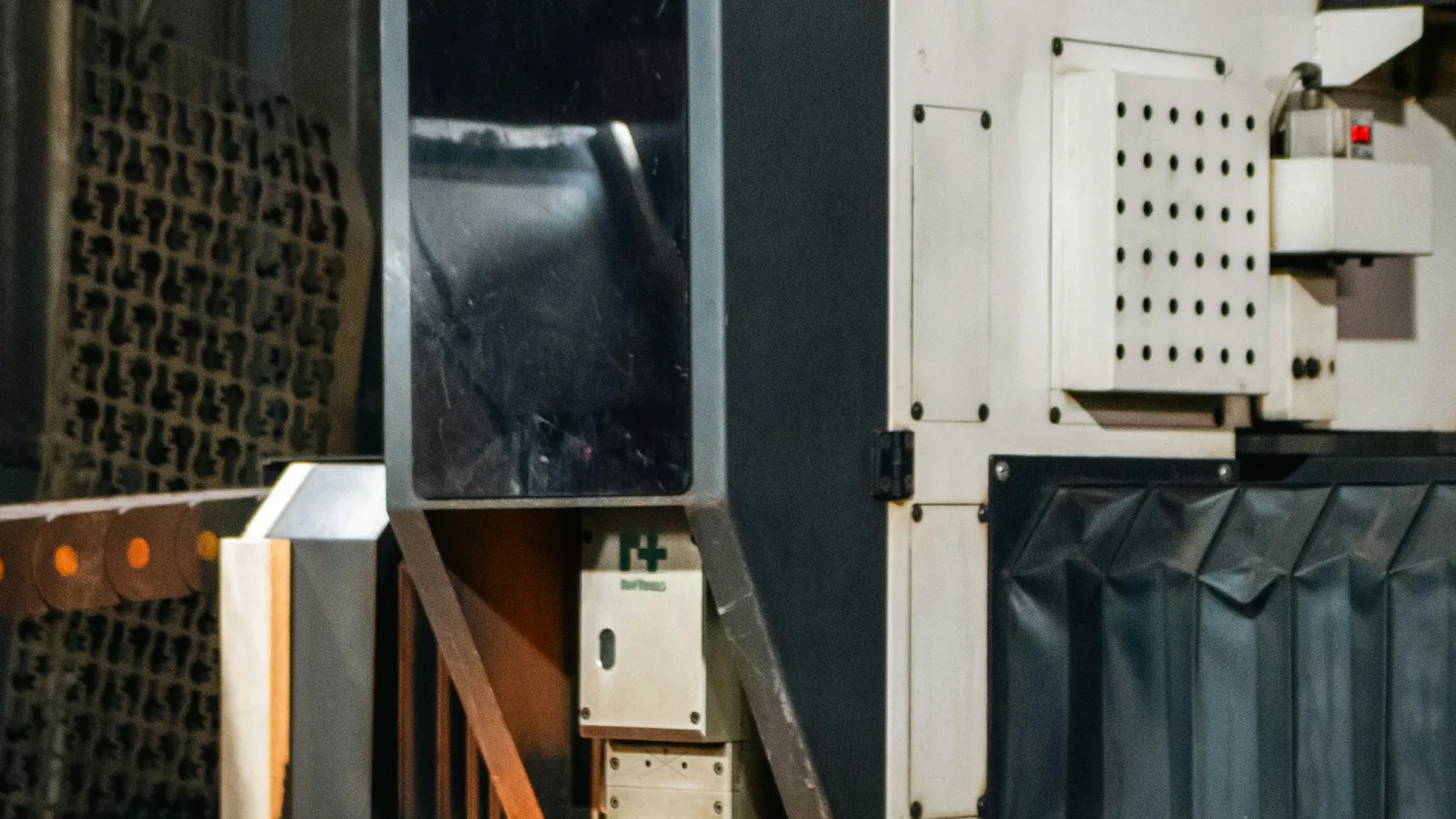
Most lead-time discussions focus on cycle time. In reality, the larger delays in metalworking often happen between operations: waiting for the next machine, moving baskets across the shop, resetting datums, and rechecking dimensions after each handoff. Multi-tasking CNC platforms reduce lead time because they remove those handoffs from the route.
One setup changes the whole schedule
A multi-tasking machine combines turning, milling, drilling, and often secondary finishing features inside one coordinated environment. The immediate gain is fewer setups. The bigger gain is that planning becomes simpler: fewer queues, fewer transfers, fewer chances for paperwork or component mix-ups.
| Route element | Conventional route | Multi-tasking route |
|---|---|---|
| Primary turning | Dedicated lathe | Integrated |
| Milling and drilling | Separate machining center | Integrated |
| Intermediate inspection | Repeated after each transfer | Reduced to key checkpoints |
| Work-in-progress | Builds between machines | Compressed inside one process |
| Delivery confidence | Sensitive to queue delays | More predictable flow |
Where the time savings actually appear
Multi-tasking systems tend to create the largest gains in these cases:
- Parts that need both rotational and prismatic features.
- Jobs where concentricity and positional relationships suffer after reclamping.
- Small-to-medium batches where setup repetition dominates total labor.
- Urgent orders where queue reduction is more valuable than raw cutting speed.
On these jobs, the machine is not just a faster cutter. It is a route compressor.
Labor and quality benefits travel together
Every time a part changes machine, you create a chance for mislabeling, damage, offset drift, or unplanned waiting. Consolidating the route reduces those risks while also reducing the amount of supervision required to keep the job moving. That is why multi-tasking often improves not only lead time, but also schedule reliability and first-pass yield.
Questions to ask before making the investment
Ask whether your current process spends too much time on:
- Queueing between turning and milling resources.
- Re-establishing datums after transfer.
- Manual deburring or staging between operations.
- Engineering changes that become painful across several programs and fixtures.
If these losses are recurring, review the multi-tasking center catalog. It is also smart to compare how different builders, including Jyoti CNC solutions, support commissioning, training, and applications engineering for complex process integration.
The strategic view
A multi-tasking machine should be justified by route simplification, not only by machine specification. When the plant reduces transfers, fixtures, queue exposure, and dimensional reset points, the result is a shorter and more reliable delivery window. That is the real reason these platforms matter.
Related Articles
How to Build a CNC Investment Brief That Management Can Approve
Structure a machine-investment brief around demand, bottlenecks, staffing, utilities, risk, and payback so decision-makers can approve it with confidence.
Read Next
When Horizontal Machining Centers Outperform Vertical Machines
Horizontal machining centers win when chip control, palletized throughput, multi-face access, and stable high-volume machining matter more than entry cost.
Read Next