
When Horizontal Machining Centers Outperform Vertical Machines
Horizontal machining centers win when chip control, palletized throughput, multi-face access, and stable high-volume machining matter more than entry cost.
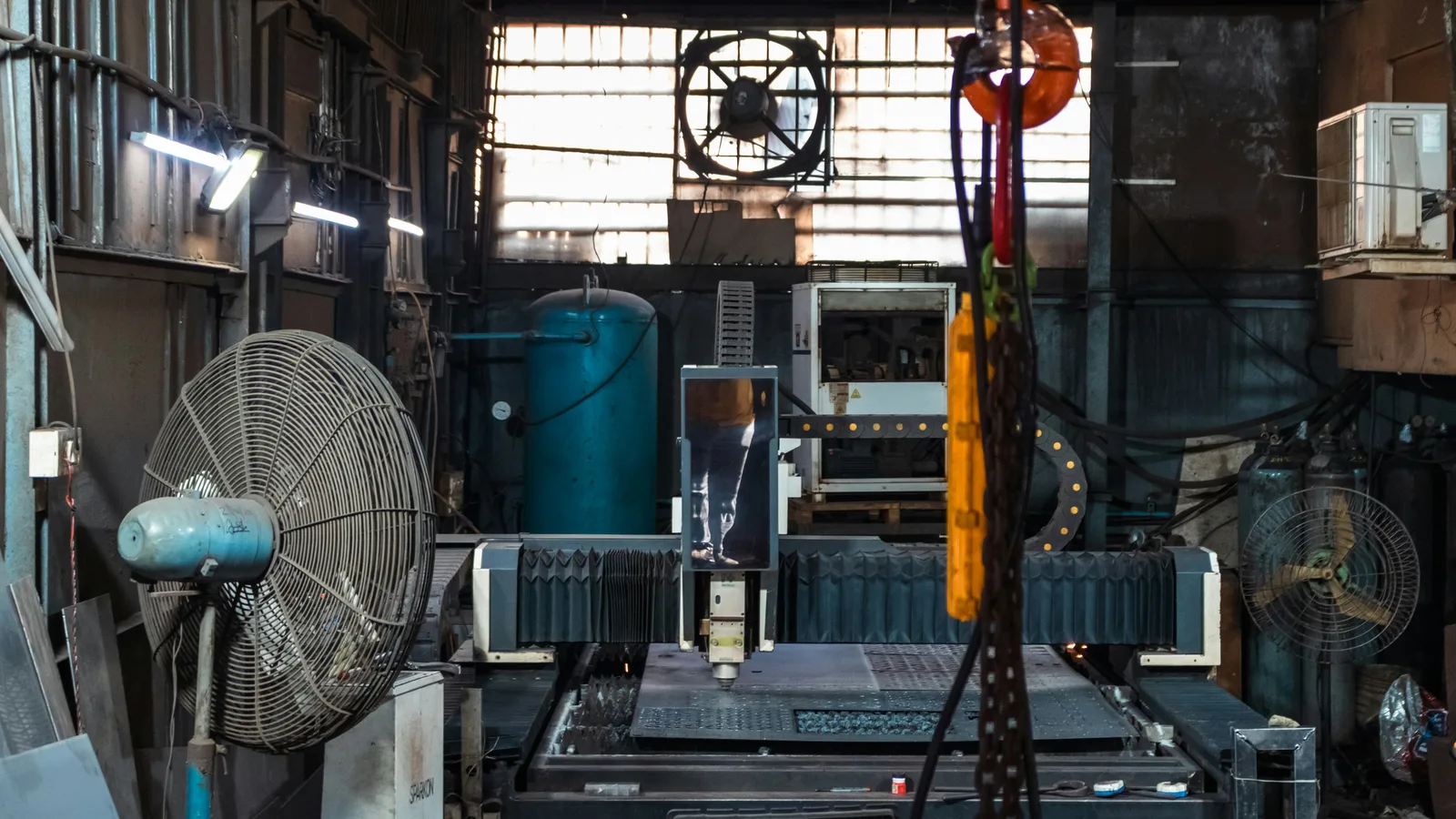
Vertical machining centers dominate many general-purpose workshops because they are flexible, familiar, and relatively easy to install. But that does not mean they are the best answer for every part family. Horizontal machining centers take the lead when chip evacuation, multi-face access, and uninterrupted throughput become operational priorities rather than nice-to-have features.
The chip-control advantage is real
In heavy cutting or enclosed pocket work, gravity helps horizontal machines clear chips away from the cutting zone. That single difference can reduce recutting, protect surface finish, and improve tool life on cast iron, steel, and complex housings. If your team often fights chip packing on deep cavities or horizontal bores, the machine architecture itself may be the root cause.
Horizontal platforms shine in repeatable multi-face work
When a part needs machining on several faces, a horizontal platform often removes repeated manual reorientation. With a tombstone or palletized approach, you can machine multiple parts or multiple faces in a structured sequence with fewer interruptions.
| Production signal | Why horizontal helps |
|---|---|
| Box-type parts and housings | Easier access to multiple faces in one setup |
| Medium-to-high volumes | Better use of pallets and queued work |
| Long cycle families | Less operator waiting between orientations |
| Tough materials with heavy chip load | Stronger chip evacuation and process stability |
Pallets change the economics
The strongest argument for horizontal machining is often not spindle orientation. It is pallet strategy. Once the team can load one pallet while another is cutting, machine utilization improves, operator idle time drops, and scheduling becomes more predictable. Plants serving automotive, energy, pump, valve, and precision housing work often gain more from this workflow than from a simple spindle-speed comparison.
When a vertical machine is still the better choice
Vertical machining centers still make more sense when:
- Part geometry is mostly top-down and simple to fixture.
- Floor space and capital are limited.
- The workload changes constantly and pallet logic would stay underused.
- Operators need a very accessible setup environment.
That is why the right decision is not horizontal versus vertical in abstract terms. It is architecture versus workload.
What to evaluate before moving to HMC capacity
Before you invest, check the following:
- Can the part family benefit from tombstone or pallet batching?
- Is chip evacuation currently hurting finish, tool life, or cycle confidence?
- Will queue-based machining reduce overtime or weekend manning?
- Does the customer mix justify a machine optimized for repeat flow?
If the answer is yes, start with the horizontal machining center catalog. For plants balancing several technologies, it is also worth comparing how your brand options differ in service depth and installed base.
Related Articles
How to Build a CNC Investment Brief That Management Can Approve
Structure a machine-investment brief around demand, bottlenecks, staffing, utilities, risk, and payback so decision-makers can approve it with confidence.
Read Next
Why Multi-Tasking CNC Machines Reduce Lead Time Across the Entire Route
Multi-tasking machines cut queue time, handling, setup count, and inter-operation risk by consolidating turning and milling into one controlled process flow.
Read Next