
How to Choose a CNC Turning Center for Real Production Demand
A practical framework for matching spindle size, axes, bar capacity, automation, and service expectations to the parts you actually need to produce.
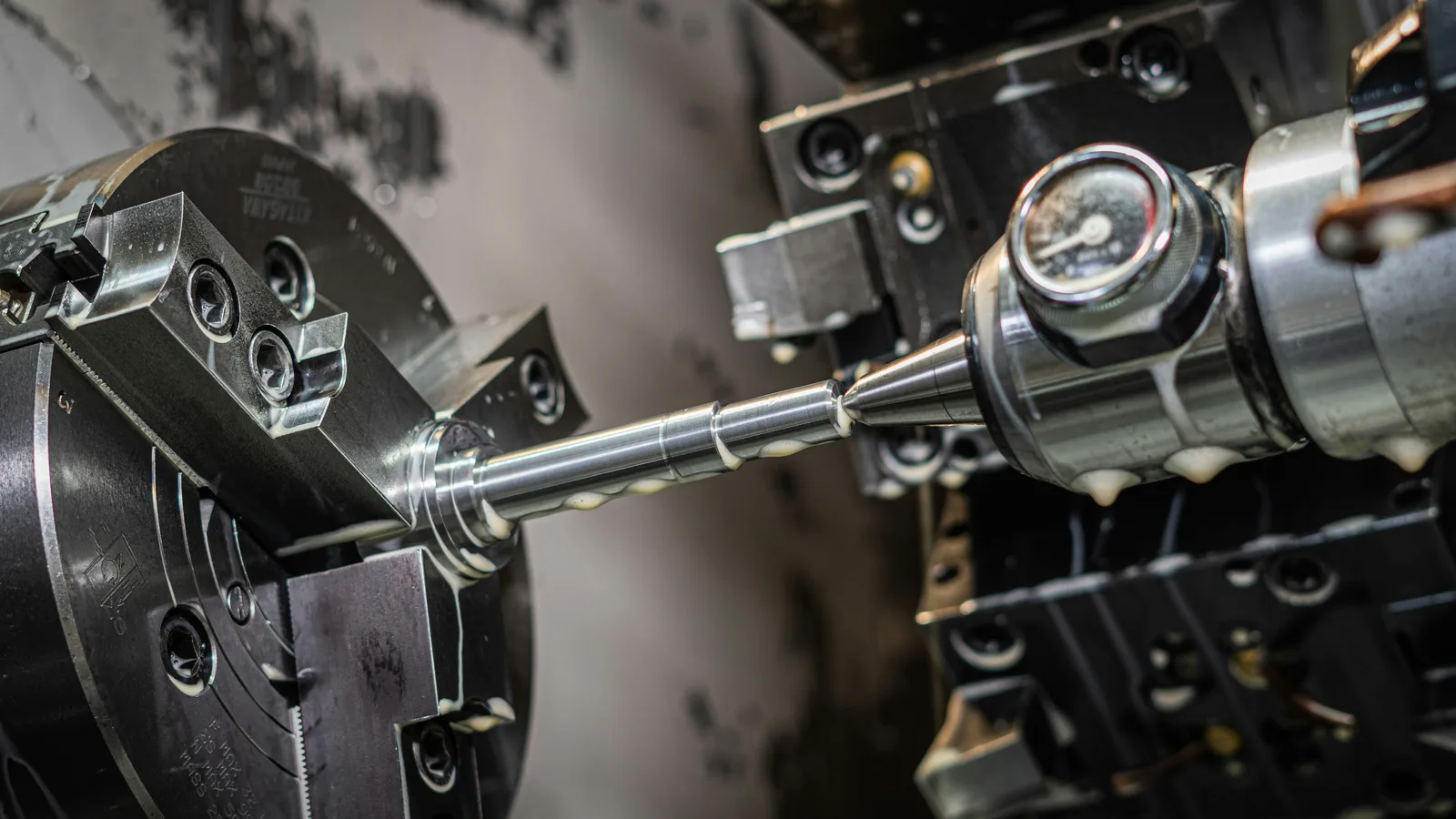
Production teams rarely buy the wrong turning center because they lack brochures. They buy the wrong machine because they size the machine around a hopeful future mix instead of the current bottleneck. A better starting point is to define the 20 percent of parts that drive most of the machine hours, scrap risk, and changeover time.
Start with the part family, not the machine brochure
Before comparing models, list the shaft, flange, ring, and housing parts you expect to run for the next 24 months. For each family, capture the largest diameter, turning length, material, monthly volume, tolerance band, and whether milling or live-tool work is required.
If your current demand is mostly short shafts and repeat work, a compact turning platform may outperform a larger machine with unused travel. If the part mix includes cross-holes, off-center drilling, or milled flats, you should immediately decide whether Y-axis and live tooling are mandatory rather than optional.
The five selection filters that prevent expensive oversizing
| Decision area | What to confirm | Why it matters |
|---|---|---|
| Chuck and swing envelope | Maximum part diameter and jaw package | Prevents under-capacity on larger jobs |
| Bar capacity | Real bar size for repeat work | Drives unattended runtime and feeder choice |
| Turret and tooling | Live tools, Y-axis, BMT or VDI interface | Defines how much secondary work can stay in-cycle |
| Sub-spindle need | Back-working, part transfer, cycle completion | Reduces manual handling and WIP |
| Automation readiness | Bar feeder, parts catcher, robot interface | Determines how quickly you can raise spindle utilization |
A turning center is usually a capacity decision and a labor decision at the same time. Machines with sub-spindles, parts catchers, and live tooling cost more upfront, but they often remove a second operation, a manual deburring handoff, or a separate drilling station. That change in process flow is where the return is created.
Questions that reveal whether the machine fits your plant
Ask every supplier for the same evidence package:
- A cycle-time estimate on one of your real parts, not a sample demo part.
- The standard tool-station configuration and any limits on live-tool positions.
- The maximum supported bar feeder and chip conveyor arrangement.
- A preventive maintenance checklist with intervals and local service response time.
- A training plan for operators, setters, and maintenance technicians.
If a supplier cannot discuss tool access, chip evacuation, probe integration, or post-install commissioning in detail, you are not evaluating a production cell. You are evaluating a brochure.
When to step up to a more advanced platform
You should consider a more capable turning center when three things happen together: the part mix is growing more complex, setup labor is high, and on-time delivery depends on finishing more features in one clamping. That is the point where live tooling, Y-axis motion, and even multi-tasking capability start paying for themselves.
For a quick market scan, review the turning center catalog and compare how different platforms align with your part families. If your shortlist includes broader automation or brand support questions, the brands section and the contact page are the right next steps.
Final recommendation
Choose the turning center that clears your real production envelope with enough margin for tooling, automation, and serviceability, but do not pay for unused complexity. The right machine is the one that improves spindle uptime, protects tolerances, and simplifies the route for the parts you run every week.
Related Articles
How to Build a CNC Investment Brief That Management Can Approve
Structure a machine-investment brief around demand, bottlenecks, staffing, utilities, risk, and payback so decision-makers can approve it with confidence.
Read Next
Why Multi-Tasking CNC Machines Reduce Lead Time Across the Entire Route
Multi-tasking machines cut queue time, handling, setup count, and inter-operation risk by consolidating turning and milling into one controlled process flow.
Read Next