
3-Axis vs 5-Axis Machining Centers: When the Upgrade Really Pays Off
A clear comparison of geometry, setup count, fixture cost, programming effort, and throughput when choosing between 3-axis and 5-axis machining.
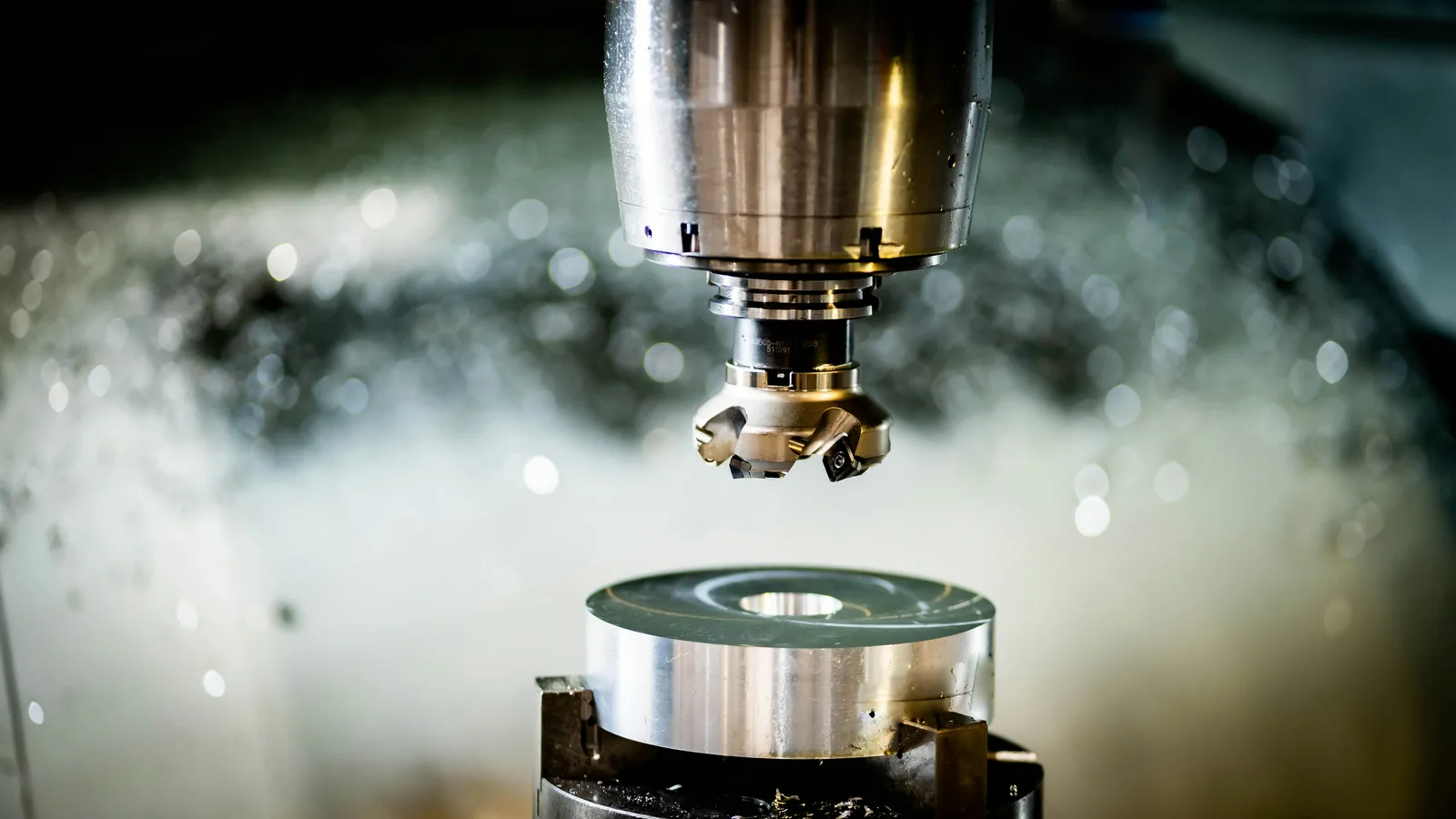
The question is not whether 5-axis machining is more advanced. It is. The real question is whether your part mix gains enough value from fewer setups, better tool access, and more stable quality to justify the higher machine, tooling, and programming burden.
What 3-axis still does exceptionally well
A good 3-axis vertical machining center remains the best value choice for many shops running plates, brackets, covers, housings, and prismatic parts with limited side access. It is easier to train on, easier to quote, and usually faster to keep busy across general subcontract work.
A 3-axis platform is often the right answer when:
- Most features are reachable from one or two simple orientations.
- Fixtures are inexpensive and repeatable.
- The team prioritizes spindle hours over geometric complexity.
- CAM resources are limited and setup changes are manageable.
Review current options in the 3-axis machining center catalog before assuming you need a more complex platform.
What 5-axis changes in the process
A 5-axis machining center reduces setups by bringing the tool to the part from more angles in one cycle. That matters most when accuracy between features depends on a single datum strategy, or when the part geometry forces multiple refixturing steps on a 3-axis machine.
| Factor | 3-axis advantage | 5-axis advantage |
|---|---|---|
| Initial investment | Lower entry cost | Higher capability per cycle |
| Programming | Simpler CAM and proving-out | Better access for complex geometry |
| Fixturing | Lower fixture sophistication | Fewer fixtures and fewer re-clamps |
| Accuracy between faces | Depends on repeated setups | Stronger positional consistency |
| Throughput on complex parts | Slower with multiple ops | Faster when setups dominate total time |
The hidden cost is often in setup, not spindle speed
Many teams compare machines by rapids, spindle taper, and travel first. In practice, the financial gap between 3-axis and 5-axis is often determined by setup labor, fixture count, proving time, and scrap during reorientation. If a part needs three fixtures and two in-process inspections on a 3-axis route, a 5-axis cycle may win even with a longer program and a higher hourly rate.
When 5-axis is the correct business decision
Step up to 5-axis when you repeatedly see one or more of the following:
- Deep or compound-angle features that are hard to reach cleanly.
- Critical positional tolerances across multiple faces.
- Long setup times that block capacity more than cutting time.
- Premium work where surface finish and one-hit machining matter to the customer.
If your demand profile matches those patterns, compare models in the 5-axis catalog. If most parts remain rectangular and accessible, a stronger 3-axis fleet may still give the best return.
A practical rule for mixed-production plants
Do not replace every 3-axis machine with 5-axis capability. Build a routing strategy instead. Let 3-axis machines absorb the stable, high-repeat work, and reserve 5-axis capacity for parts where setup compression or geometric access creates a measurable business gain. That hybrid structure is often the most resilient capacity plan.
Related Articles
How to Build a CNC Investment Brief That Management Can Approve
Structure a machine-investment brief around demand, bottlenecks, staffing, utilities, risk, and payback so decision-makers can approve it with confidence.
Read Next
Why Multi-Tasking CNC Machines Reduce Lead Time Across the Entire Route
Multi-tasking machines cut queue time, handling, setup count, and inter-operation risk by consolidating turning and milling into one controlled process flow.
Read Next